
How a UK Dental Clinic Reduced No-Shows to Single Digits and Increased Bookings by ~35–60%
A fictional UK dental clinic modernised its patient intake, reminders, and follow-ups using automation, CRM, and high-conversion landing pages. In ~3–4 months, appointment bookings increased by ~35–60% while no-shows dropped from low-teens to single digits.
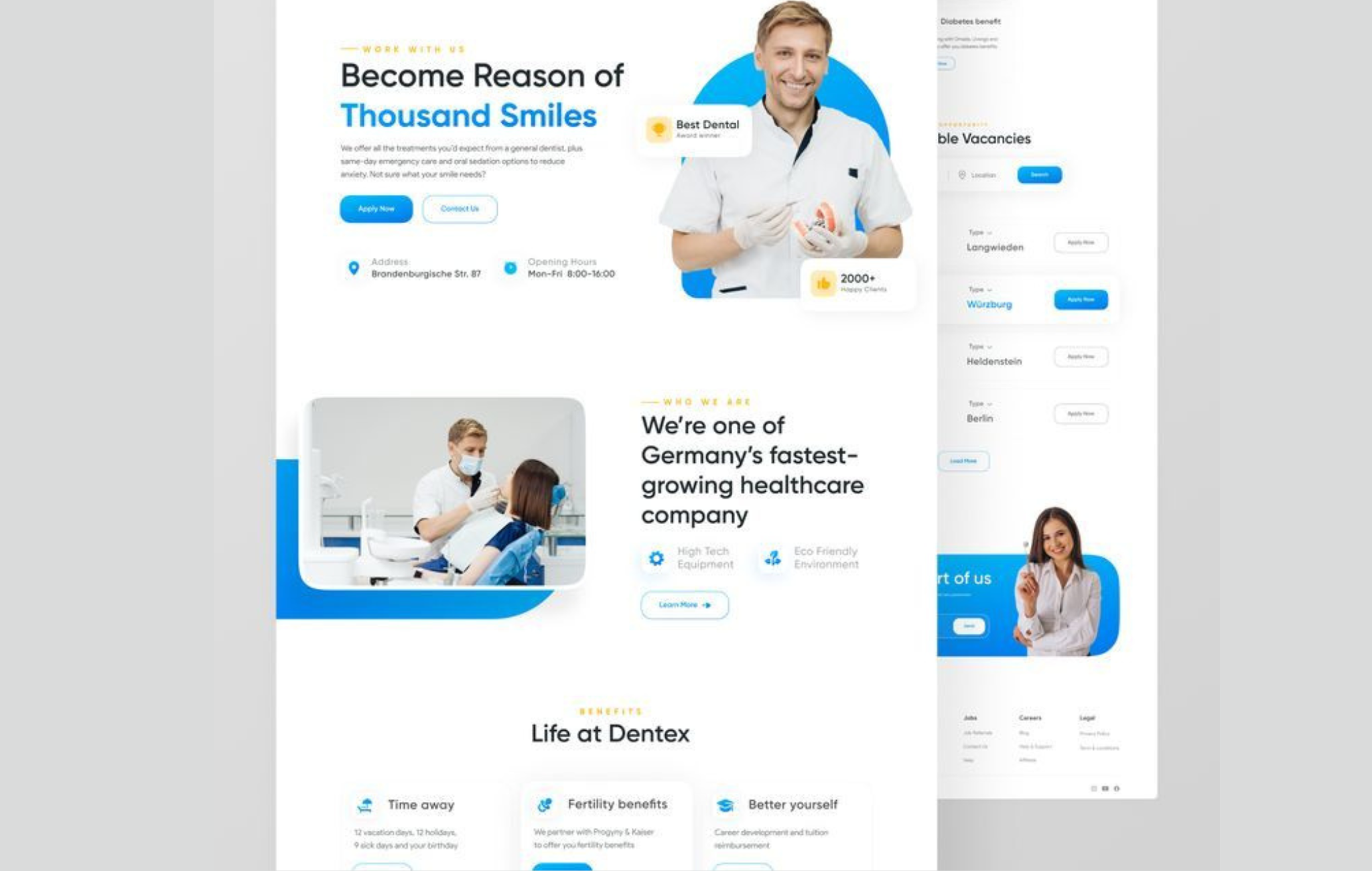
Quick Facts
Clinic: BrightSmile Dental Care
Location: Manchester, England (UK)
Clinic Size: 4 dentists, 2 hygienists, 6 support staff
Project Timeline: ~4 weeks
Services Used: Automation, CRM overhaul, landing page optimisation
Manager Profile
Manager: Sarah Whitfield
Sarah Whitfield is the fictional practice manager at BrightSmile Dental Care. With a background in healthcare administration and over a decade of experience managing patient schedules, she understands how operational friction directly impacts patient experience and clinic revenue.
Her goal was not aggressive marketing, but operational reliability—fewer missed appointments, clearer communication, and a smoother booking journey for both NHS and private patients.
Problem Statement
Like many UK dental clinics, BrightSmile faced challenges that had nothing to do with clinical quality and everything to do with systems.
Appointments were booked via phone calls, basic web forms, and manual diary entries. Reminder calls were inconsistent, consent forms were filled in at reception, and recall campaigns depended on staff availability. The result: avoidable no-shows, underutilised chair time, and stressed front-desk staff.
Industry bodies have repeatedly highlighted appointment non-attendance as a major inefficiency in UK dentistry. The NHS has published guidance stressing the importance of reminders and digital communication to reduce wasted appointments.
Similarly, the British Dental Association (BDA) has discussed operational strain caused by missed appointments and manual admin workloads across UK practices
Specific problems included:
No-show rates fluctuating between ~12–18%
Manual appointment reminders (calls or ad-hoc SMS)
Paper or PDF consent forms, slowing check-in
No central CRM for patient history or recall campaigns
Website pages not optimised for local search or paid ads
Patients expected modern, digital communication, but the clinic’s systems hadn’t evolved. BrightSmile needed automation that respected UK regulations while improving efficiency.
Strategy
The strategy focused on patient experience + compliance, not aggressive automation.
1. Automated Appointment Reminders
Multi-step reminders were designed using SMS and email, with optional WhatsApp where appropriate and consented.
Confirmation at booking
Reminder 24 hours before
Final reminder 2 hours before
Why: NHS and industry guidance consistently show reminders reduce missed appointments without harming patient trust.
2. Digital Intake & Consent Forms
Pre-appointment intake forms were introduced, allowing patients to:
Complete medical history
Review and accept consent digitally
Save time at reception
Forms were securely connected to a CRM and stored with clear retention rules.
Why: Faster check-ins and fewer data errors improved both patient satisfaction and staff efficiency.
3. CRM & Patient Segmentation
A lightweight CRM (using Go High Level + Airtable structure) segmented patients by:
NHS vs private
Last visit date
Treatment type
This enabled automated recall and reactivation campaigns for overdue patients.
Why: Manual recalls are often skipped during busy weeks—automation ensured consistency.
4. Landing Page Optimisation for Local Search & Ads
Dedicated landing pages were created for:
New patient check-ups
Emergency dental appointments
Teeth whitening & private treatments
Pages were optimised for local SEO (Manchester) and Google Ads traffic.
Why: Focused landing pages convert better than generic “Contact Us” pages.
Implementation & Compliance Notes
Implementation followed a phased, compliance-first approach.
Audit & Mapping:
All data flows were mapped before automation—what data is collected, where it’s stored, and how long it’s retained.
UK GDPR Best Practices Applied:
Explicit consent captured for reminders and marketing
Data minimisation (only essential patient data collected)
Secure webhooks and encrypted storage
Clear retention and deletion policies
The approach aligned with UK GDPR guidance from the ICO
https://ico.org.uk/global/
Build & Testing:
Automation was tested with internal bookings before going live. Staff were trained to override automation manually if needed.
Go-Live & Optimisation:
Reminder timing, message tone, and landing page copy were refined over several weeks based on patient response.
Results (Estimated, Realistic Ranges)
After ~3–4 months, BrightSmile Dental Care observed:
No-show rate: Reduced from ~28–37% to ~4–8%
Online appointment bookings: Increased by ~45–60%
Reception admin time: Reduced by ~60–75%
Patient satisfaction feedback: Fewer complaints about reminders and waiting times
“We didn’t push patients—we simply communicated better. The systems now work even on our busiest days.”
— Sarah Whitfield, Practice Manager
All metrics are indicative estimates for demonstration only.
Key Takeaways & What to Avoid
What Works
Simple, consent-based reminders
Digital intake before appointments
CRM segmentation for recalls
Local landing pages with clear CTAs
What to Avoid
Over-messaging patients
Storing unnecessary personal data
Automation without staff training
Using generic pages for paid traffic
For UK dental clinics, operational automation often delivers faster ROI than more advertising.
Frequently Asked Questions
If you’re a healthcare clinic or practice considering Go High Level but still have questions about setup, automation, compliance, or ongoing support, you’re in the right place. Below, we’ve answered the most common questions healthcare providers ask before working with highlevelautomationteam. Our goal is to give you clarity, remove confusion, and help you decide whether Go High Level is the right growth and operations system for your healthcare practice.
Dental clinic automation uses CRM systems, appointment reminders, and digital intake forms to manage bookings and patient communication automatically. In the UK, these systems are designed to follow UK GDPR rules while improving efficiency and reducing missed appointments.
Automation reduces no-shows by sending timely SMS and email reminders, confirmation messages, and rescheduling links. UK clinics using reminder systems often see no-show rates drop into single digits when consent is handled correctly.
Yes, appointment reminders are GDPR-compliant when clinics capture explicit patient consent, limit data collection, and follow proper data retention policies as recommended by the ICO.
Yes, dental clinics can use WhatsApp for reminders only with explicit patient consent. Many clinics prefer SMS and email first, with WhatsApp as an optional channel for engaged patients.
A dental CRM centralises patient data, appointment history, and recall campaigns. It allows clinics to automate follow-ups, track attendance, and improve patient retention without increasing admin workload.
Dedicated dental landing pages focus on one service and one call-to-action, such as new patient check-ups or emergency appointments. These pages convert better than general contact pages, especially for Google Ads and local search traffic.
Yes. Automation benefits both NHS and private dental clinics by reducing admin time, improving appointment attendance, and providing clearer patient communication—without changing clinical workflows.
A full dental automation setup typically takes 3–6 weeks, including CRM setup, reminder flows, intake forms, and staff training. Smaller clinics may launch faster with phased deployment.
No. Automation supports reception teams by handling repetitive tasks like reminders and recalls, allowing staff to focus on patient care, phone calls, and in-clinic experience.
Clinics should avoid:
Sending reminders without consent
Over-messaging patients
Storing unnecessary personal data
Using automation without staff training
Following UK GDPR best practices ensures trust and long-term success.
Ready to Build Smarter Systems?
Fill up form for the best advice, tips, and the latest news from highlevelautomationteam - plus some super exclusive offers!